
Understanding the psychology of gambling Why do we take risks Viperspin Casino
The Allure of Risk-Taking
The psychology of gambling is a complex interplay of emotions, decisions, and the inherent thrill of risk. Many individuals are drawn to gambling due to the excitement that comes with taking chances. The adrenaline rush experienced during a game can create a sense of euphoria, encouraging players to return for more. For those looking to dive deeper into the online gaming world, https://viperspin-casino.org/ offers an exciting platform. This sensation can often overshadow the potential negative consequences, making it an appealing activity for many.
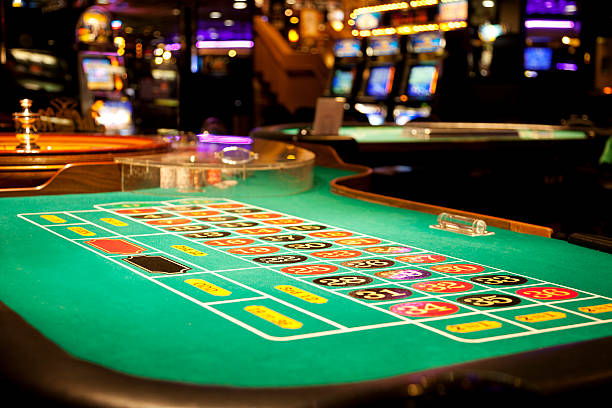
Additionally, the concept of risk-taking is often associated with reward. The potential for a significant win, such as a jackpot or a large payout, can overshadow the fear of loss. For many, this idea of “what if” becomes a powerful motivator, compelling players to engage in gambling behavior despite the odds being against them.
Psychological Triggers in Gambling
Several psychological factors contribute to why individuals take risks in gambling. One of the primary triggers is the illusion of control. Gamblers often believe they can influence the outcome of games, especially in activities like poker, where skill is involved. This belief can enhance the gambling experience, making players feel more competent and engaged.
Another significant factor is the role of cognitive biases, such as the gambler’s fallacy. This is the misconception that past events affect future outcomes in a random game. For instance, if a player has experienced a series of losses, they may erroneously believe a win is due. Such thought patterns reinforce the cycle of risk-taking, leading players to continue betting in hopes of recouping their losses.
The Social Aspect of Gambling
Gambling is not just a solitary activity; it often involves social interactions that can further encourage risk-taking. Many people enjoy the camaraderie that comes with playing games in casinos or online platforms. This social aspect can amplify the thrill of gambling, as players share experiences and celebrate wins together.
Moreover, peer pressure can play a significant role in gambling behavior. Individuals may feel compelled to participate in gambling activities to fit in or gain approval from friends. This social pressure can lead to increased risk-taking, as players are motivated by the desire to be part of a group or to impress others.
The Role of Rewards and Reinforcement
The reinforcement schedule in gambling is designed to keep players engaged. Casinos and online platforms often use bonuses and rewards to entice users to gamble more. This strategy taps into the psychological principles of operant conditioning, where behaviors are encouraged through rewards. The sporadic nature of wins, coupled with the excitement of potential rewards, creates a compelling cycle that keeps players returning.
Understanding this reinforcement can help individuals recognize their motivations for gambling. It highlights how the promise of rewards can overshadow rational decision-making, leading to an increased likelihood of risk-taking behavior. This understanding is crucial for those looking to manage their gambling habits effectively.

Experience the Thrill at Viperspin Casino
Viperspin Casino offers a captivating online gaming experience that captures the essence of gambling psychology. With an extensive range of licensed games and a welcoming package, players are encouraged to explore the thrill of risk-taking. The platform provides a secure environment, ensuring that players can focus on enjoyment without unnecessary concerns.
In addition to its impressive game selection, Viperspin Casino boasts fast cash-out times, allowing players to experience the rewards of their risk-taking swiftly. By joining the casino, players can engage in promotions and discover the excitement of a gaming adventure that aligns perfectly with the psychological factors driving gambling behavior.

