

Exploring the Exciting World of Gaming: Trends, Genres, and Future Prospects
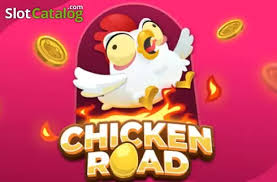
The gaming industry has evolved into one of the most dynamic and diverse entertainment sectors today. With advances in technology, an increase in accessibility, and the growing popularity of online gaming, the landscape of gaming continues to shift and change. In this article, we will explore various game genres, emerging trends, and what the future may hold for gamers and developers alike, including the fascinating concept of games inspired by everyday life, such as game chicken road.
1. The Evolution of Gaming
The history of video games dates back to the 1950s, but it wasn’t until the 1970s and 1980s that gaming began to capture the public’s imagination. With the advent of home consoles like the Atari 2600 and the Nintendo Entertainment System, gaming became a household pastime. Fast forward to the 21st century, and we see an explosion of development in graphics, storytelling, and gameplay mechanics. Today, it’s commonplace to see games that rival Hollywood films in terms of production value.
2. Dominant Game Genres
The gaming world is rich with variety, offering numerous genres that cater to different interests and preferences. Here are some of the most popular genres:
Action
Action games emphasize physical challenges, including hand-eye coordination and reaction-time. Franchises like “Call of Duty” and “Super Mario” have remained popular for decades, constantly evolving with new gameplay mechanics and storylines.
Role-Playing Games (RPGs)
RPGs have seen tremendous growth over the years, with titles like “Final Fantasy” and “The Witcher” gaining massive followings. These games often feature immersive worlds, intricate plots, and character development that allows players to grow with their characters.
Simulation
Simulation games aim to replicate real-world activities. The “Sims” franchise and games like “Microsoft Flight Simulator” allow players to engage in everything from city-building to piloting planes, providing an engaging experience that mirrors reality.
Adventure
Adventure games focus on narrative-driven experiences, often emphasizing exploration and puzzle-solving. Titles like “The Legend of Zelda” series and “Life is Strange” highlight storytelling and character interaction, offering rich, emotional experiences for players.
Sports and Racing
Sports and racing games attract fans of real-world sports, enabling them to experience the thrill of competition. Titles like “FIFA” and “Madden NFL” are immensely popular, while racing games such as “Forza Motorsport” and “Gran Turismo” offer high-speed adrenaline.
3. The Rise of Online Gaming
With the advent of faster internet connections and advancements in technology, online gaming has transformed how people play. Multiplayer games allow players to connect with others worldwide, fostering communities around shared interests. Games like “Fortnite” and “Among Us” have gained massive popularity, not just for gameplay, but also for social interactions and live-streaming events.
4. Emerging Trends in Gaming

As the industry continues to evolve, several key trends are shaping the future of gaming:
Virtual Reality (VR) and Augmented Reality (AR)
Technological advances have made VR and AR experiences increasingly accessible. Games like “Beat Saber” and “Pokémon GO” have showcased the immersive potential of these technologies, creating unique and engaging experiences.
Cloud Gaming
Cloud gaming services allow players to stream games without needing high-end hardware. Platforms like Google Stadia and Nvidia GeForce Now aim to make gaming more accessible, giving players the freedom to enjoy high-quality games on various devices.
Indie Games
Indie developers have become a crucial part of the gaming ecosystem, offering fresh perspectives and innovative gameplay mechanics. Games like “Hollow Knight” and “Stardew Valley” have proven that small teams can create experiences that resonate with players and challenge conventional gaming norms.
5. The Future of Gaming
Looking ahead, the gaming industry is poised for continued growth and innovation. As technology advances, players can expect even more immersive experiences, with AI and machine learning potentially influencing game design and development. Additionally, as gaming becomes more mainstream, the lines between traditional entertainment mediums (like film and music) and gaming will continue to blur.
Conclusion
The gaming industry is a vibrant and ever-evolving landscape that reflects the interests and creativity of its community. With a plethora of genres, an expanding demographic of players, and emerging technologies, the future of gaming is incredibly exciting. Whether you’re a casual gamer or a dedicated enthusiast, there’s no denying that gaming will remain a significant part of global culture for years to come.

