
The Evolution of Video Games: A Journey Through Pixels and Innovation
Video games have become an integral part of modern culture, serving as a source of entertainment, a platform for social interaction, and even a medium for artistic expression. To truly appreciate their significance, one must delve into the rich history that has shaped them. In this article, we explore the evolution of video games, focusing on key milestones that defined their trajectory and transformed the gaming landscape forever. Whether you’re a casual player or a seasoned gamer, understanding this evolution will enhance your appreciation for the medium. If you’re eager to game play, let’s take a stroll down memory lane.

The Early Days: 1970s to 1980s
The origins of video gaming can be traced back to the early 1970s, with simple arcade games such as “Pong,” developed by Atari in 1972. This era marked the inception of interactive entertainment and laid the groundwork for the gaming industry. The simplicity of these early games attracted players, but the technological limitations of the time restricted their depth and complexity.
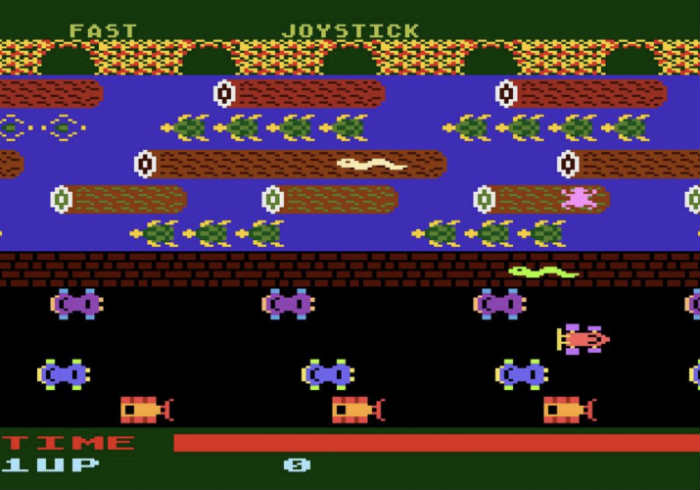
In the late 1970s and early 1980s, home consoles like the Atari 2600 emerged, bringing video games into living rooms worldwide. This transition from arcade to home gaming significantly influenced player demographics and behaviors. While the graphics were rudimentary, with pixels dominating the screen, the appeal of games like “Space Invaders” and “Pac-Man” was largely due to their innovative gameplay mechanics and addictive nature.
The Golden Era: 1980s to 1990s
The 1980s and 1990s are often considered the golden era of video gaming. This period witnessed the rise of iconic franchises such as “Super Mario Bros,” “The Legend of Zelda,” and “Metroid.” Nintendo, Sega, and other companies revolutionized the industry with improved graphics, engaging storytelling, and diverse gameplay experiences. The introduction of 16-bit graphics paved the way for more complex visuals that appealed to a broader audience.
The arcade scene continued to flourish, with games like “Street Fighter II” introducing competitive gameplay and evolving multiplayer interactions. Meanwhile, the rise of personal computers led to the development of PC gaming, giving birth to genres like real-time strategy and first-person shooters. Titles such as “Doom” and “Warcraft” marked significant advancements in graphics, gameplay mechanics, and online connectivity.
The 3D Revolution: Late 1990s to Early 2000s
The introduction of 3D graphics in the late 1990s significantly transformed the gaming landscape. Titles like “Final Fantasy VII” and “GoldenEye 007” showcased the potential of 3D environments, paving the way for more immersive experiences. Gaming consoles like the Nintendo 64 and Sony PlayStation 1 played crucial roles in this transition, attracting a diverse audience and establishing gaming as a mainstream form of entertainment.
This era also saw the birth of online gaming platforms and multiplayer experiences, leading to the rise of eSports. Games like “Counter-Strike” and “StarCraft” fostered competitive communities and laid the groundwork for events that

would eventually fill large arenas with fans from around the world. As internet connectivity improved, the allure of online gaming began to overshadow traditional single-player experiences.
The Emergence of Mobile Gaming: 2000s to Present
With the advent of smartphones in the late 2000s, mobile gaming began to flourish remarkably. Games like “Angry Birds” and “Candy Crush Saga” demonstrated that engaging gameplay could reach an audience beyond traditional gamers. The convenience and accessibility of mobile devices allowed players to enjoy games anywhere and anytime, making gaming a part of daily life for millions.
At the same time, consoles like the Xbox 360 and PlayStation 4 pushed gaming technology further, incorporating high-definition graphics, expansive open worlds, and intricate storytelling. The introduction of motion controls and virtual reality also added a new dimension to gaming, allowing players to immerse themselves in experiences like never before. These developments have revolutionized not just how games are played, but also how stories are told and experienced within games.
The Future of Gaming: Trends and Innovations
Looking ahead, the future of gaming is promising, with technology advancing at an unprecedented pace. Virtual reality and augmented reality are set to redefine immersion in gaming. Platforms like the Oculus Rift and PlayStation VR are already allowing players to step inside their favorite worlds and engage with them on a deeper level.
Cloud gaming is another trend gaining traction, allowing players to access high-quality games without the need for expensive hardware. Services like Google Stadia and Xbox Cloud Gaming facilitate instant access to vast libraries of games, making gaming more accessible to a global audience. As technology continues to evolve, gaming will likely become an even more integral part of our lives, fostering new forms of social interaction and creative expression.
Conclusion
The journey of video games is one of remarkable growth and innovation. From simple pixelated designs to breathtakingly immersive experiences, the evolution of gaming reflects the technological advancements of society. As we look to the future, it’s clear that video games will continue to evolve, pushing boundaries and inspiring creativity. In this vibrant landscape, gamers will only grow more connected and engaged, creating lasting communities and shared experiences.
In conclusion, understanding the evolution of video games enriches our appreciation of the medium. We stand on the brink of a new era, where the possibilities are endless. Whether you’re a nostalgic player recalling the early days or a modern gamer exploring immersive worlds, the story of video games continues to unfold, inviting everyone to play a part in its future.

