
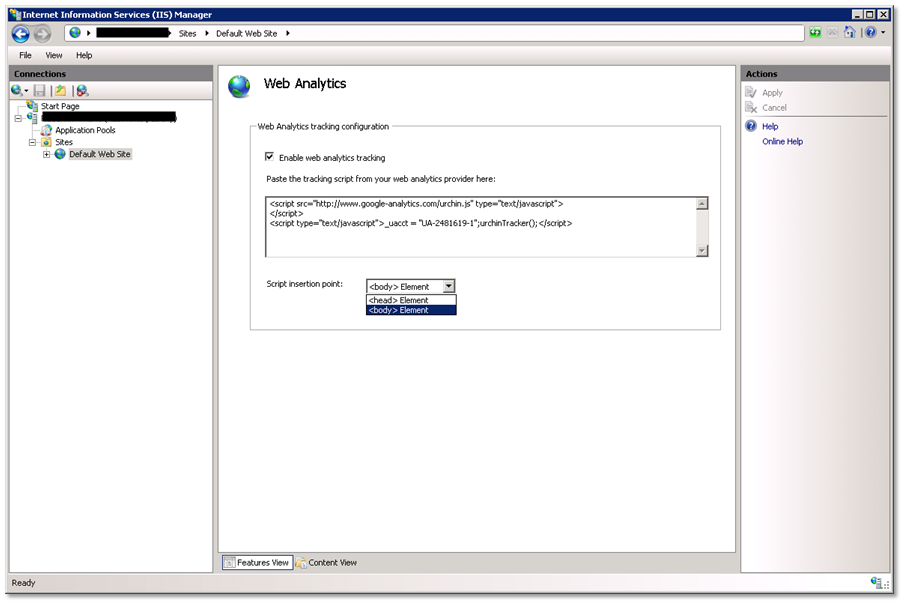
Learn Web Analytics: Mastering the Art of Data-Driven Decisions
In today’s digital age, understanding learn web analytics https://accs-net.com/ is essential for anyone looking to succeed online. Web analytics provides insights into how users interact with your website, allowing you to make informed decisions that can improve performance and user experience. This article will guide you through the basics of web analytics, its importance, key metrics to track, and tools you can use to analyze data effectively.
What is Web Analytics?
Web analytics refers to the measurement, collection, analysis, and reporting of web data for purposes of understanding and optimizing web usage. By employing web analytics, you can gain insights into user behavior, traffic patterns, and overall website performance. These analyses can inform marketing strategies, improve user experiences, and ultimately lead to better conversion rates.
Why is Web Analytics Important?
The significance of web analytics cannot be overstated. Here are some reasons why every website owner should prioritize analytics:
- Informed Decision Making: Data-driven decisions are more effective than guesses. Analytics provides the hard data needed to understand what works and what doesn’t on your site.
- User Insights: Understanding who your users are, what they want, and how they interact with your site is crucial for tailoring content and improving user experience.
- Traffic Analysis: Analyzing traffic sources helps you determine which marketing channels are most effective, allowing you to allocate resources wisely.
- Conversion Tracking: With the help of analytics, you can identify which pathways lead to conversions and which ones lead users to leave your site.
Key Metrics to Track in Web Analytics
To truly understand your website’s performance, it is important to track several key metrics:
1. Page Views
This metric refers to the number of times a particular page on your website is viewed. High page views can indicate popularity, but it’s important to analyze them in conjunction with bounce rates.
2. Unique Visitors
Unique visitors are counted based on individual IP addresses that visit your site within a specific timeframe. This metric helps you gauge your audience size and reach.
3. Bounce Rate
A bounce occurs when a user leaves your page without interacting further. A high bounce rate may indicate that your landing pages are not engaging enough or not meeting visitor expectations.
4. Average Session Duration
This metric reveals how long, on average, users spend on your site during a single visit. Longer sessions may indicate higher engagement rates.
5. Conversion Rate
The conversion rate measures the percentage of visitors who complete a desired action, such as filling out a form, signing up for a newsletter, or making a purchase. Optimizing for conversions is often the ultimate goal of web analytics.
Essential Tools for Web Analytics
There are numerous tools available for web analytics, each offering different features. Here are some of the most commonly used:
1. Google Analytics
Google Analytics is one of the most popular web analytics tools available. It provides comprehensive data on website traffic, user behavior, and conversion tracking. With its user-friendly interface, you can easily set up goals and track performance indicators.
2. Adobe Analytics
Adobe Analytics offers advanced analytics capabilities and is often preferred by larger organizations. It provides deep insights into customer journeys and predictive analytics.
3. Matomo
Matomo, previously known as Piwik, is an open-source analytics platform that puts you in control of your data. It offers similar features to Google Analytics but places a strong emphasis on privacy.
4. Hotjar
Hotjar focuses on user experience by tracking user behavior through heatmaps and session recordings. This tool is invaluable for understanding how users interact with your website visually.
Implementing Web Analytics: A Step-by-Step Approach
Now that you understand the importance of web analytics and the metrics to track, here’s a simple approach to implementing web analytics:
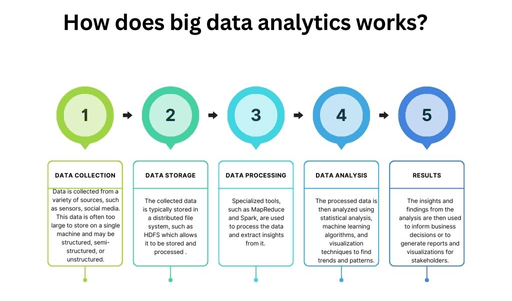
- Define Your Goals: Set clear, measurable goals for what you want to achieve (increased traffic, higher conversion rates, etc.).
- Choose the Right Tools: Select an analytics tool that aligns with your goals, whether it’s Google Analytics or another platform.
- Install Tracking Codes: Properly install the tracking codes provided by your chosen analytics tool on your website.
- Monitor and Analyze Data: Regularly review your analytics dashboard and reports to understand trends and patterns.
- Make Data-Driven Decisions: Use the insights gained from analytics to optimize your website, marketing strategies, and overall user experience.
Conclusion
Learning web analytics is crucial for anyone involved in digital marketing or website management. The insights derived from analytics can guide your strategies, enhance user engagement, and ultimately improve your website’s performance. By understanding key metrics, employing the right tools, and making data-driven decisions, you can unlock your website’s full potential. Start your journey into web analytics today and take your online presence to new heights.

