

In an era where human rights issues are increasingly prevalent, understanding the role of legal help is crucial. The battle for human rights often takes place in the courtroom, where legal expertise can make a significant difference. Individuals facing violations of their rights may feel overwhelmed and unsure of their next steps. This is where the importance of legal assistance comes into play. Seeking help from professionals who specialize in human rights law is essential. For more information, please visit the Legal Help Human Rights official website.
The Importance of Legal Help in Human Rights
Legal assistance in human rights cases serves not only to help individuals navigate the complexities of the legal system but also to ensure that their voices are heard. Individuals facing discrimination, injustice, or violence due to their race, gender, sexual orientation, or political beliefs often require professional support to claim their rights and seek justice. Moreover, lawyers specializing in this area of law play a pivotal role in bringing attention to systemic issues, advocating for marginalized groups, and promoting legal reforms to better protect human rights.
Identifying Human Rights Violations
Human rights violations can manifest in various forms, including but not limited to:
- Discrimination based on race, gender, sexual orientation, or religion.
- Unlawful detention or imprisonment.
- Torture or inhumane treatment by authorities.
- Violations of the right to free speech or assembly.
- Obstacles to fair trial and due process.
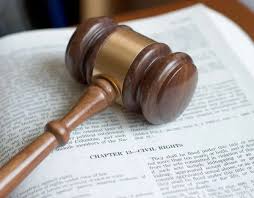
If you believe that you or someone you know is experiencing such violations, it is essential to seek legal help promptly. A qualified human rights lawyer can assess the situation, provide guidance on possible legal actions, and represent individuals in court if necessary.
The Role of a Human Rights Lawyer
Human rights lawyers are trained to handle cases that involve the violation of fundamental rights recognized by various international laws and treaties. Their role includes:
- Providing legal advice and representation to clients who have experienced violations.
- Collecting and analyzing evidence related to human rights abuses.
- Engaging in negotiations with governmental and non-governmental organizations to advocate for clients’ rights.
- Raising public awareness about human rights issues through advocacy and campaigns.
- Collaborating with international bodies to hold violators accountable.
A skilled human rights lawyer not only aids individuals but also contributes to broader societal changes by challenging unjust laws and practices in the legal system.
How to Find Legal Help
Finding the right legal assistance can be vital in human rights cases. Here are some steps to consider when seeking help:

- Research Local Resources: Look for local organizations and law firms that specialize in human rights law. Many non-profits and legal aid societies offer pro bono assistance to those in need.
- Consult Online Directories: Websites and online directories can help identify qualified human rights lawyers in your area. Many legal professionals are listed with details about their areas of expertise.
- Reach Out for Referrals: Ask friends, family, or community groups for recommendations. Personal referrals can often lead to finding trustworthy legal representation.
- Assess the Lawyer’s Experience: When you find a potential lawyer, inquire about their experience with human rights cases specifically. Understanding their background can help you decide whether they are the right fit for your situation.
- Schedule Consultations: Many lawyers offer initial consultations to discuss your case. Take this opportunity to evaluate whether you feel comfortable with their approach and expertise.
The Legal Process for Human Rights Cases
The path to justice in human rights cases can be a lengthy and challenging process. In general, it involves several phases:
- Investigation: The lawyer will gather evidence and build a case against the alleged violator(s). This could include witness statements, documents, and expert testimony.
- Filing a Complaint: If viable, the lawyer will file a legal complaint with the appropriate court or authority, detailing the violations and seeking redress.
- Negotiation or Mediation: In some cases, parties may engage in negotiations to reach a settlement before going to trial. Mediation can be an alternative to litigation, aiming for a mutually agreeable resolution.
- Trial: If the case proceeds to trial, the lawyer will represent the client in court, presenting evidence and arguing for justice.
- Appeals: If the outcome is unfavorable, the lawyer may advise on appealing the decision to a higher court.
Throughout this process, the support of a dedicated human rights lawyer can significantly impact the outcome. The legal landscape surrounding human rights is complex, and having someone knowledgeable and skilled working on behalf of the affected individual is invaluable.
Conclusion
Understanding and pursuing legal help in human rights cases is essential for safeguarding fundamental freedoms and ensuring justice. Whether facing discrimination, unlawful detention, or other violations, having a knowledgeable attorney can make all the difference. Legal professionals in this field not only assist in individual cases but also contribute to the larger movement for human rights, advocating for systemic changes that promote dignity, equality, and justice for all. If you find yourself in need of assistance, do not hesitate to reach out to qualified legal practitioners who can guide you through the process and fight for your rights.

