

Understanding Blocked Assets Under Crimea Measures: Legal Implications and Strategies
The conflict in Ukraine and the subsequent measures imposed on Crimea have resulted in a complex web of legal and financial challenges, particularly related to blocked assets. Entities and individuals involved in this geopolitical issue must navigate a landscape fraught with legal restrictions and ramifications. For those looking to understand the implications of these measures, it is crucial to explore the various dimensions of blocked assets in this context.blocked assets under Crimea measures https://eatingwithkirby.com/news/blocked-assets-under-crimea-measures-legal-consequences.html
Background of Crimea Measures
The measures concerning Crimea arose amidst the broader geopolitical tensions following Russia’s annexation of the region in 2014. In response, numerous countries, led by the United States and members of the European Union, imposed sanctions aimed at curtailing economic activity, deterring further aggression, and signaling disapproval of the annexation. One of the salient features of these sanctions includes the freezing of assets held by individuals, businesses, and government entities tied to the Russian government or involved in the annexation efforts.
What are Blocked Assets?
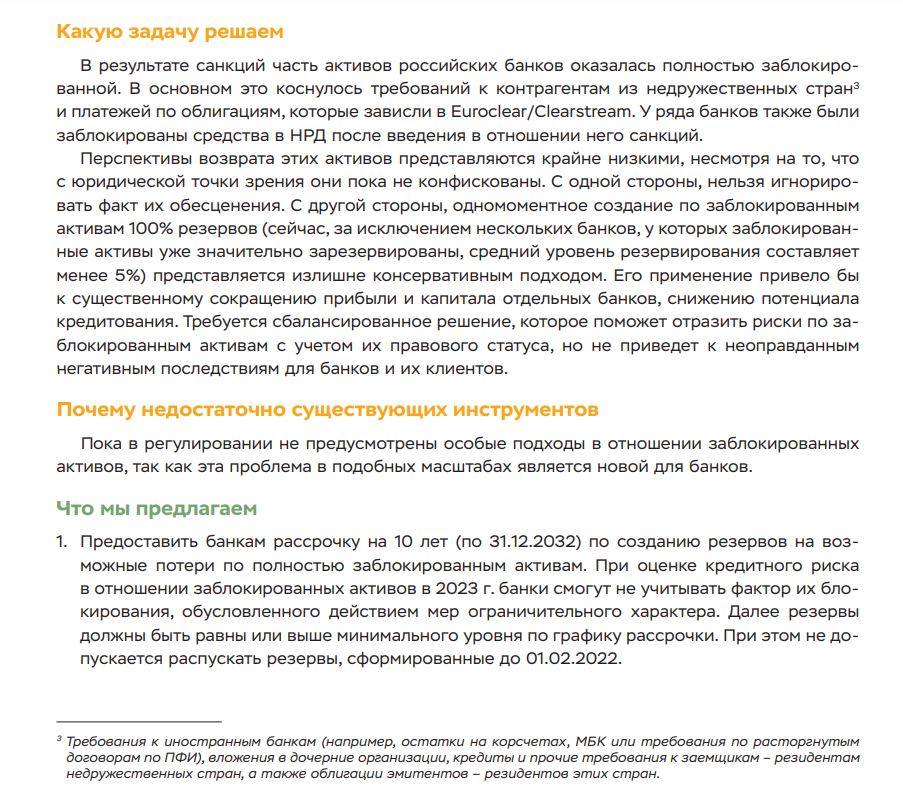
Blocked assets refer to funds or properties that have been frozen and cannot be accessed or transferred due to legal restrictions imposed by sanctions. For individuals or companies identified as being linked to the Crimea situation, these sanctions can prevent any utilization of their financial resources, thus significantly impacting their operations and economic positions.
Legal Framework and Enforcement
The legal framework surrounding blocked assets is multilayered, consisting of national legislation and international treaties. Countries have developed their own frameworks for implementing and enforcing sanctions. For example, the Office of Foreign Assets Control (OFAC) in the U.S. maintains a list of sanctioned individuals and entities, whereas the EU adopts its own list based on collective decisions made among member states.
Entities or individuals affected by blocked asset measures must be aware of the penalties for non-compliance as violations can result in significant fines and potential legal actions. In the U.S., for example, violations can lead to civil and criminal penalties, further complicating already tense situations for those with blocked assets.
Consequences of Blocked Assets
The consequences of having assets blocked are far-reaching and can affect more than just financial health. They can lead to reputational damage, reduced access to international markets, and increased scrutiny from regulatory bodies. Companies or individuals may find it difficult to conduct transactions, engage with banking institutions, or maintain business relationships due to their sanctioned status.
How to Address Blocked Assets
Addressing the issue of blocked assets requires careful planning and strategic initiatives. For affected entities, the first step is to engage with legal experts who specialize in sanctions compliance and international law. Understanding the specifics of the sanctions is critical in developing an appropriate response.
Entities may also consider exploring the following strategies:
- Legal Appeals: In some cases, there may be grounds for appealing the classification of sanctions or the decision to block assets. Legal avenues could provide relief and access to the resources needed for operational continuity.
- Compliance Programs: Developing and implementing robust compliance programs can demonstrate an entity’s commitment to adhering to legal standards, potentially easing relations with regulators.
- Engagement with Regulatory Bodies: Open lines of communication with relevant authorities can help clarify the situation and create pathways for resolution.
- Alternative Financial Structures: Exploring alternate ways to conduct business or restructure financial dealings may help mitigate the impact of blocked assets.
The Role of International Law
International law plays a significant role in the legality and execution of sanctions. The principles of sovereignty, territorial integrity, and self-determination frequently come into play when discussing the legitimacy of sanctions. Entities involved must understand the balance between adhering to these international legal frameworks and the consequences dictated by enforced sanctions.
Future Considerations
As geopolitical tensions continue and the global legal landscape evolves, entities affected by blocked assets under Crimea measures should stay informed on legal developments, changes in sanctions regimes, and industry trends. Engaging in proactive risk assessment and maintaining compliance will be essential in navigating this complex environment.
Conclusion
The management of blocked assets under Crimea measures requires a nuanced understanding of legal frameworks, compliance strategies, and the geopolitical context influencing sanctions. While the challenges are significant, strategic planning and informed legal counsel can provide pathways for entities impacted by these restrictions. By staying informed and prepared, those grappling with blocked assets can better navigate the intricacies of a rapidly changing landscape.

