
Understanding Belarus Sanctions: A Comprehensive Guidance for Businesses
The imposition of sanctions on Belarus has raised significant concerns for businesses operating in or with connections to the country. It is essential for organizations to have a clear understanding of these sanctions and their implications. This Belarus sanctions guidance serves as a foundational resource, outlining the legal obligations and risks businesses face in relation to these sanctions.
Overview of Sanctions Against Belarus
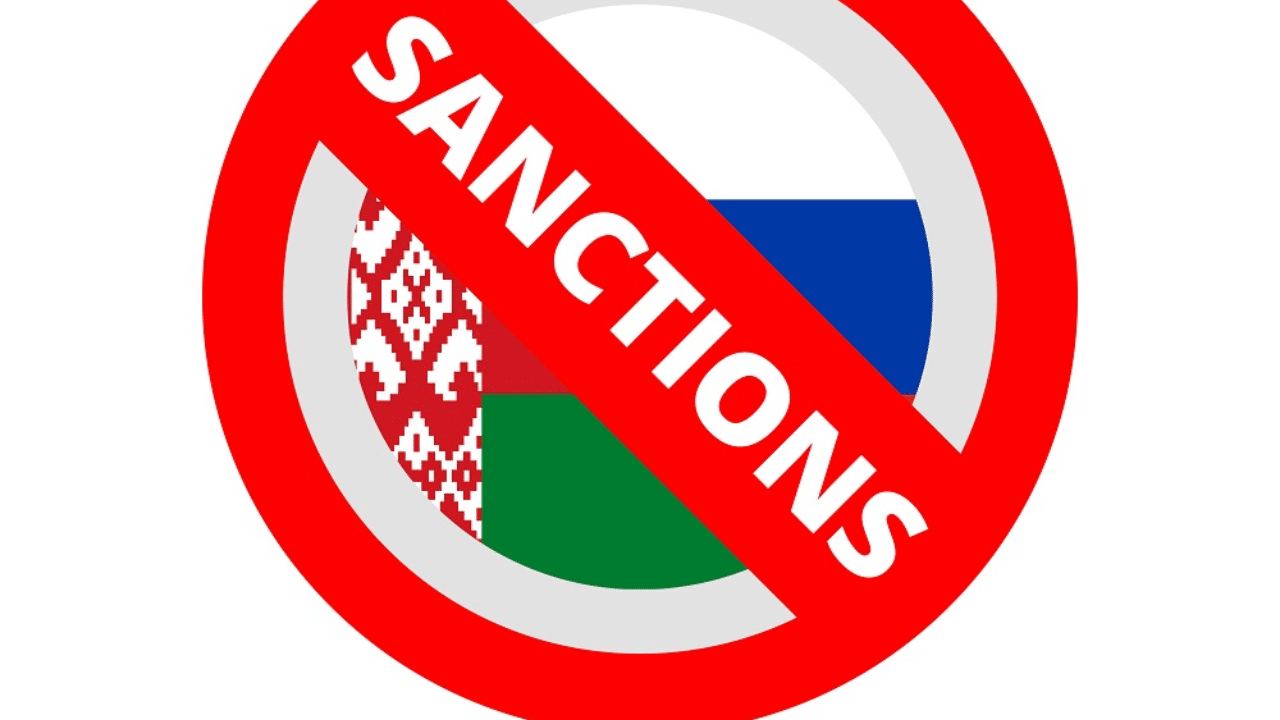
Sanctions against Belarus stem primarily from the government’s actions that undermine democratic processes, human rights abuses, and aggressive foreign policy. Following the disputed presidential elections in 2020 and the subsequent crackdown on protests, various countries, including the United States and members of the European Union, have enacted sanctions targeting key sectors of the Belarusian economy such as finance, energy, and defense. Understanding the nature and scope of these sanctions is crucial for businesses that may be impacted.
Legal Obligations for Businesses
Businesses must be aware of their legal obligations under the sanctions imposed on Belarus. These obligations include:
- Screening and Due Diligence: Businesses must implement screening processes to ensure they do not engage with individuals, entities, or sectors subject to sanctions. This involves conducting thorough due diligence on potential partners and clients.
- Compliance Programs: Organizations should develop and maintain compliance programs that address sanctions risks. These programs should include training for employees, regular audits, and protocols for reporting suspicious transactions.
- Reporting Obligations: Companies may have reporting obligations if they discover that they have engaged in prohibited transactions. It is vital to have clear communication channels for employees to report such incidents promptly.
Sector-Specific Sanctions
Different sectors may face varying levels of restrictions under the sanctions regime. Below are some key sectors affected:
Financial Services
The financial sector in Belarus has been one of the primary targets of sanctions, making it critical for businesses in this field to understand the legal limitations. Sanctions can restrict access to international financial markets, limit investments, and affect the ability to transfer funds across borders.
Energy Sector
Sanctions against the Belarusian energy sector aim to curtail the country’s revenue streams. Businesses involved in oil and gas procurement must navigate these restrictions carefully to avoid disputes and potential liabilities.
Defense and Security
The defense sector faces stringent controls, with prohibitions on trade in military-related goods and services. Companies operating in this domain must maintain strict compliance protocols to avoid severe penalties.
International Trade Considerations
For businesses engaged in international trade with Belarus, it is essential to analyze the potential risks associated with sanctions. Companies should assess their reliance on Belarusian suppliers or markets and explore alternatives to mitigate risks. Navigating these challenges requires a proactive approach to compliance and risk management.
Impact on Business Relationships
Sanctions can significantly affect business relationships. Companies may need to reconsider partnerships with Belarusian entities or adjust their supply chains to comply with sanctions. Transparent communication with stakeholders and clients regarding compliance efforts is vital in maintaining trust and credibility.
Best Practices for Compliance
To ensure compliance with Belarus sanctions, businesses should adopt the following best practices:
- Stay Informed: Regularly monitor updates on sanctions regulations, as these can change frequently.
- Engage Legal Experts: Consult with legal experts specializing in international trade to understand the implications of sanctions and develop effective compliance strategies.
- Implement Risk Assessment Tools: Utilize risk assessment tools to evaluate potential exposure to Belarus sanctions and adjust business practices accordingly.
Consequences of Non-Compliance
The consequences of failing to comply with sanctions can be severe, including hefty fines, loss of business opportunities, and reputational damage. Regulatory agencies have intensified enforcement efforts, making it imperative for businesses to take compliance seriously.
Conclusion
As the political landscape continues to evolve, understanding the intricacies of Belarus sanctions is more important than ever for businesses. By staying informed, implementing robust compliance measures, and engaging with legal experts, organizations can navigate the complexities of sanctions effectively. Ensuring compliance is not just a legal obligation but also a strategic necessity for safeguarding business operations and preserving corporate reputation.

