
The psychology behind risk-taking in gambling environments
The allure of uncertainty
The psychological appeal of gambling often lies in the thrill of uncertainty. When players engage in games of chance, they are not merely wagering money; they are buying into a complex experience that stirs excitement and anticipation. This inherent uncertainty can lead to an adrenaline rush, prompting individuals to take risks they might avoid in other settings. The unpredictability of outcomes in gambling stimulates the brain’s reward centers, making the act of risking money feel exhilarating, particularly when one considers options like bitcoin casinos that add to the thrill.
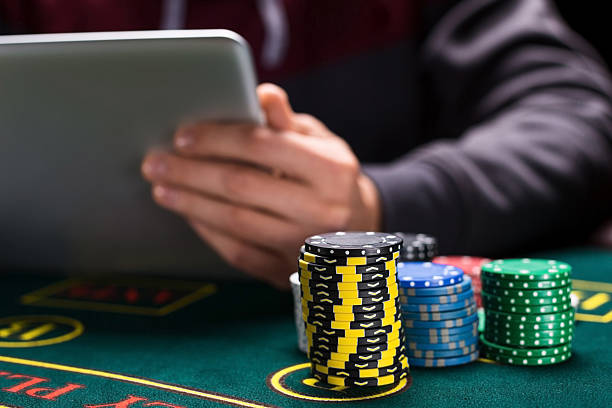
Moreover, this allure is amplified by cognitive biases that skew judgment. Gamblers may overestimate their chances of winning based on recent experiences, known as the gambler’s fallacy. This bias can distort reality, leading individuals to believe that a win is due after a series of losses, further entrenching them in risk-taking behaviors.
The role of emotions in decision-making
Emotions play a crucial role in decision-making, particularly in high-stakes environments like casinos. Fear, excitement, and even euphoria can significantly influence choices made during gambling. For instance, individuals might chase losses out of fear of missing out on potential wins or may feel compelled to continue betting when in a state of excitement. This emotional volatility is often exploited by gambling environments designed to heighten emotional responses.
Additionally, the phenomenon of ‘loss aversion’ highlights how negative emotions can drive decision-making. Gamblers often prefer to avoid losses rather than seek equivalent gains. This leads to irrational behaviors, such as increasing bets in an attempt to recoup losses, which can spiral into more significant risk-taking and financial distress.
The influence of social dynamics
Gambling environments are inherently social spaces where group dynamics can significantly influence individual behavior. Social interactions and peer pressure can lead individuals to take greater risks than they would on their own. When surrounded by enthusiastic peers, a player may feel emboldened to make larger bets or try new games, driven by a desire for acceptance or validation from the group.
Moreover, the presence of others often creates an atmosphere of competition, where individuals feel compelled to prove themselves. This competitive spirit can further fuel risk-taking, as players may push their limits in pursuit of social recognition or status within the gambling community.
The impact of environment and design
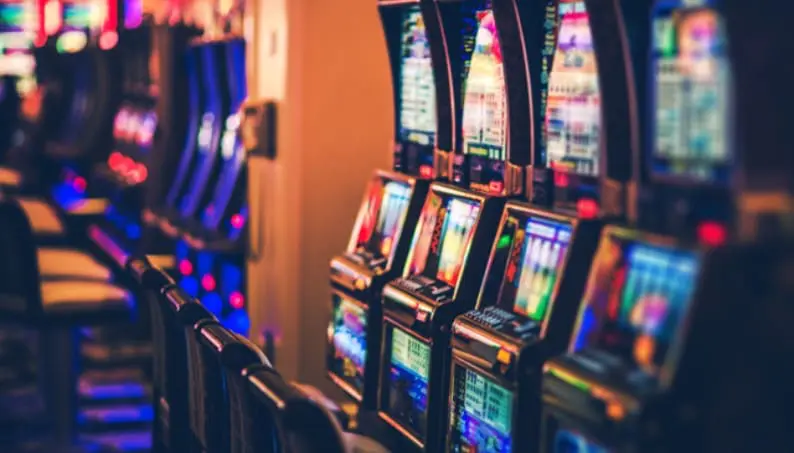
The design of gambling environments, from casinos to online platforms, is meticulously crafted to encourage risk-taking behavior. Bright lights, engaging sounds, and the strategic placement of games create a stimulating atmosphere that can distract players from rational decision-making. These sensory experiences are designed to keep players engaged and willing to take risks.
Furthermore, the availability of multiple gaming options encourages a mindset of continuous play. Players may feel pressured to keep gambling in hopes of hitting the jackpot, often overlooking the odds stacked against them. This environment can desensitize individuals to the risks involved, making them more likely to gamble excessively and engage in high-risk behaviors.
Exploring further with Postlight
Understanding the psychology behind risk-taking in gambling environments opens the door to deeper insights about human behavior and decision-making. At Postlight, we aim to deliver valuable resources and insights that can help businesses navigate the complexities of human interaction in various contexts, including gambling.
Our commitment is to provide a seamless online experience, allowing users to explore and understand these dynamics better. We encourage you to engage with our content and gain a deeper understanding of the forces that shape behavior, not only in gambling but in broader contexts as well.

