
It is about how much money a business pays to its creditors, which also includes paying back loans and interest. Subtract the interest expense and the net borrowing from the net income to obtain the cash flow to creditors. Net income is the bottom line of the income statement, which represents the profit or loss of the company after accounting for all revenues and expenses. Cash flow to creditors is the amount of cash that the company pays to its creditors after covering its operating and investing activities. Analyzing cash flow to creditors helps stakeholders assess a company’s ability to meet its financial obligations and manage its debt effectively. It provides valuable information about a company’s liquidity, solvency, and financial health.
- These components are typically sourced from different sections of the financial statements.
- It helps you make smart choices that keep your business running smoothly and thriving.
- Need help understanding what else is important to gauge the current standpoint of your business?
- This process filters out non-cash items like depreciation, offering a clearer picture of the company’s operational efficiency.
Dividends and Distributions
Now let’s move on to understanding how dividends paid to shareholders impact overall cash flow. Essentially, you’re looking at net cash provided by operating activities cash flow to creditors equals and subtracting capital expenditures (CapEx) and changes in working capital. This process filters out non-cash items like depreciation, offering a clearer picture of the company’s operational efficiency. In essence, it paints a more accurate financial landscape by focusing on actual cash movements rather than just profit figures.

Exploring Capital Expenditures
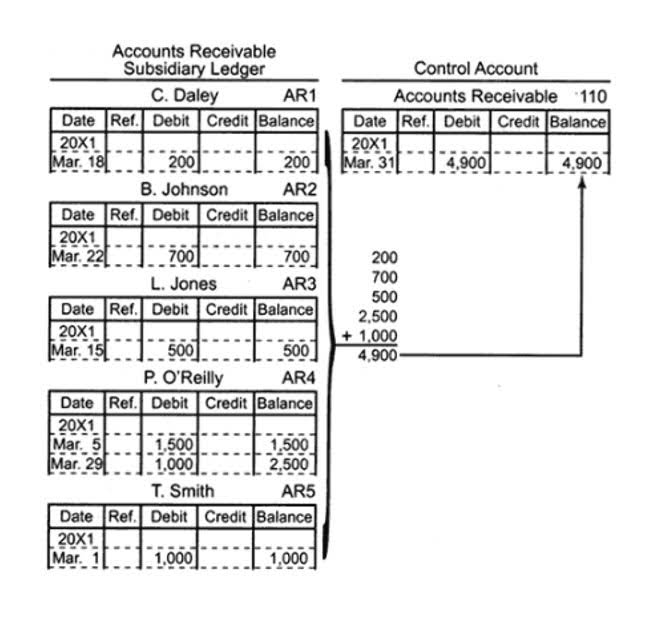
To illustrate the concept, let’s consider a manufacturing company that has borrowed funds from a bank to finance its operations. The cash flow to creditors would include the interest payments made to the bank, reflecting the company’s debt servicing Liability Accounts activities. Additionally, if the company has issued preferred stock, the cash flow to creditors would also include dividend payments made to preferred stockholders.
- Understanding this flow is essential for determining the true cash flow available to a firm’s equity holders.
- Here, the first part represents the interest paid to creditors, and the second part corresponds to the net change in long-term debt.
- However, keep in mind that net income includes non-cash expenses such as depreciation and amortization.
- We hope to provide a well-rounded, multi-faceted look at the past, present, the future of EdTech in the US and internationally.
How can cash flow to creditors help creditors and borrowers achieve their financial goals and minimize their risks?

This means that the firm has paid $80 million to its creditors over the period, after accounting for its operating and investing activities. The borrowers can also use this information to monitor their own financial performance and improve their credit ratings. adjusting entries To obtain the cash flow to creditors, we subtract the interest expense and the net borrowing from the net income.
- Now let’s move on to understanding how dividends paid to shareholders impact overall cash flow.
- This calculation provides insights into how much cash is left for other purposes such as investment in growth opportunities or debt repayment.
- In the dynamic world of startups, understanding the competitive landscape is not just a strategic…
- The first component is interest paid to creditors, which was for the loan taken by the company.
- The second component, Net New Borrowing, accounts for the net change in principal debt obligations.
- By analyzing this aspect, one can evaluate the financial impact of a company’s debt obligations on its overall cash flow.
- From time to time, I will invite other voices to weigh in on important issues in EdTech.
Here, ABC Corporation’s cash flow to creditors for the given period would be $40,000. It suggests the management team optimize debt payment, while investors assess the profitability of the company. Analysts must look beyond the single net figure and examine the supplemental disclosures regarding debt activity.